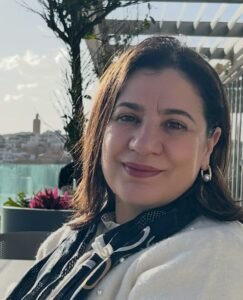
Dr. Hanane BENQLILOU
Head of technical assistance at the International Institute of Water and Sanitation (IEA) under the
National Office for Electricity and Drinking Water (ONEE). Main missions include:
- Leading Water and Sanitation Capacity Building Programs for Africa,
- Designing and managing practice-oriented research projects specific to the needs of
Morocco, particularly regarding integrated water resources management, and considering
the impacts of climate change.
Dr. Hanane BENQLILOU Water, Energy, and Environment’s Expert holds a master’s degree in Urban
and Territorial Management from ESSEC/ISCAE in the field of water governance in Southern
Morocco. She also holds a PhD in Materials Science on lithium batteries, from the “Ecole Nationale
Supérieure de Chimie, de Biologie et de Physique” of Bordeaux (ENSCPB), and from the “Institut de
la Matière Condensée” of Bordeaux (ICMCB).
With a rich experience of twenty years at ONEE in the fields of governance, management, and
improvement of the performance of drinking water supply systems, she is now a member of several
working groups and scientific committees including, at the international level , The
Intergovernmental Hydrological Programme (UNESCO-IHP), the World Health Organization (WHO),
and the International Water Association (IWA), as well as the national level such as the National
School of Chemistry of Kénitra (ENSC).
Dr BENQLILOU accompanied a major project to generalize access to drinking water in Morocco and
led several applied research projects in partnership with national and international academic bodies.
These research projects have led to solutions and improvements in the performance of drinking
water supply systems in its various phases, from production to distribution, and the mitigation of
environmental impacts.
Through her involvement in applied research in the field of water, she has supervised several
students in Moroccan universities at masters’ and PhD’s levels. Thanks to her resourcefulness, she
has published several articles in various fields of water including publications on the traditional
water management systems of the city of Fez and the Khettara.
Hanane Benqlilou is particularly keen to contribute to the knowledge and expertise sharing in the
field of water. She believes that the best way to do this is through specific capacity-building
programmes in an integrated vision of the development of practical solutions adapted to the context
of Morocco and Africa and considering climate change.
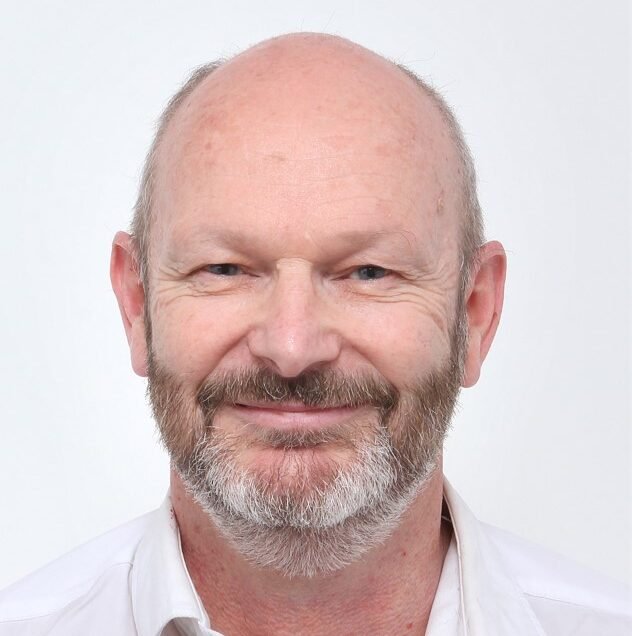
Dr. Dominique BEROD
Dr. Dominique Berod is the Chief of the hydrological monitoring and data management Section at the World
Meteorological Organization (WMO). He is responsible for WMO activities on hydrological observing, data
management and sharing, supporting global efforts for, e.g., climate resilience and early warning systems. He
is member of steering boards related to global data centers and geospatial networks dealing with climate, water
and environment.
Before joining WMO in 2015, he was from 2008 to 2014 the Head of the Swiss National Hydrological Service.
Until 2008, he was the Head of the flood protection and river restoration unit in the canton of Wallis,
Switzerland.
Dominique Berod holds a Master’s degree in Environmental Engineering from the Swiss Institute of Technology
at Lausanne (EPFL, 1989) and a PhD in Hydrology from the same university, in collaboration with the Louisiana
State University at Baton Rouge, USA (1994).
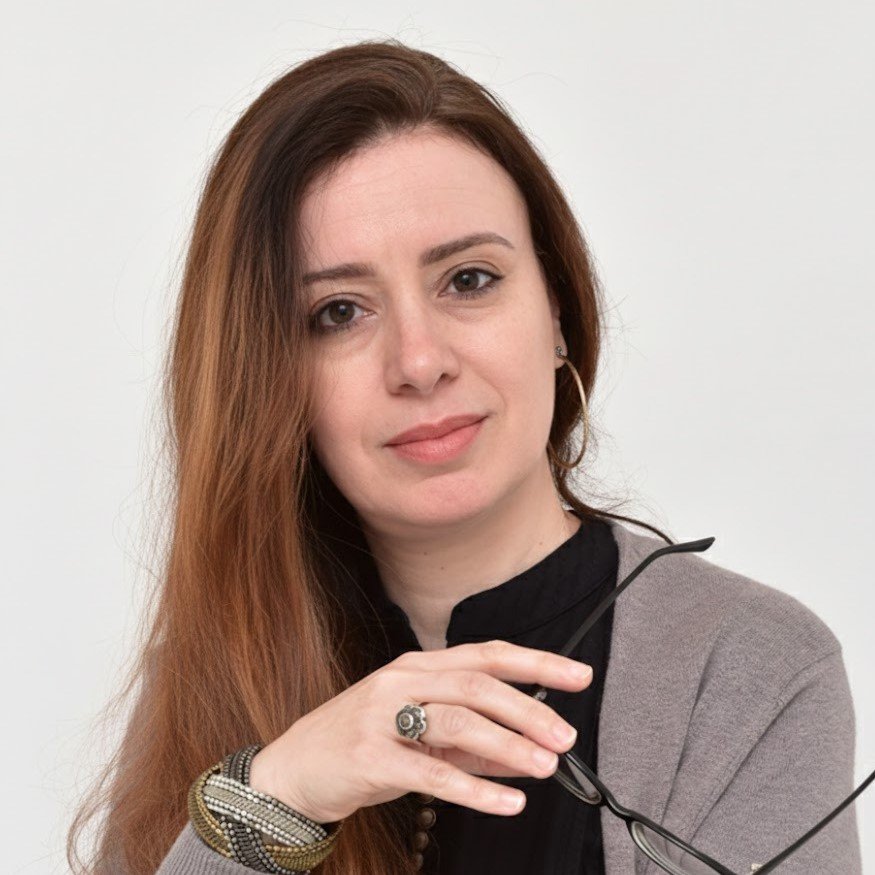
Dr. Fairouz MEGDICHE KHARRAT
Dr. Fairouz Megdiche is assistant professor of architecture and urbanism at the University of Sousse (Tunisia) and researcher at the laboratory “Governance, Ambiances and Development of Cities” GADEV/UMRAN (ENAU-EDSIA, University of Carthage, Tunisia). She holds a double PhD diploma in “Men, Spaces, Time, Resources, Environment” from Sorbonne Université and in “Studies of Landscapes and Development of Territories” from the University of Sousse. She earned the advanced certificate in “Geographic Information in Urbanism” from the EPFL and the University of Geneva (Switzerland). For 2018-19 she obtained the Excellence scholarship for foreign students from the Swiss Confederation for her postdoctoral research and was nominated for the award Pierre Massé 2019 for francophone PhDs related to water. She works on cultural landscapes, sustainable habitat and traditional water resources management. Her expertise covers areas in Europe (Central Valais, Switzerland) and in the MENA region (Southern Tunisia, Northern Oman and Central Iran). Lately she came up with the concept of “Cistern City” as an integrated solution for managing cities’ waters and cope climate change. She is Associate Editor at Les Cahiers Géographiques de l’Ouest (EISSN: 2992-2097, Algeria) and member of the editorial commission of ‘Umrānīyāt the International Journal of Spaces and Urban Territory (ISSN: 2534-8183, Tunisia). She is member of the IAHS Working Group on “Co-creating Water Knowledge”. She is also an active member of the UNESCO chair on Water, Waste and Energy (Lamsin/ ENIT, University of Tunis El Manar), a member of the international network ESCWA-AWARENET (Arab Integrated Water Resources Management Network), a member of AGIOS in charge of the associations partnerships (Tunisia), a guest member of the Association Paesaggi Meridiani (Italy).
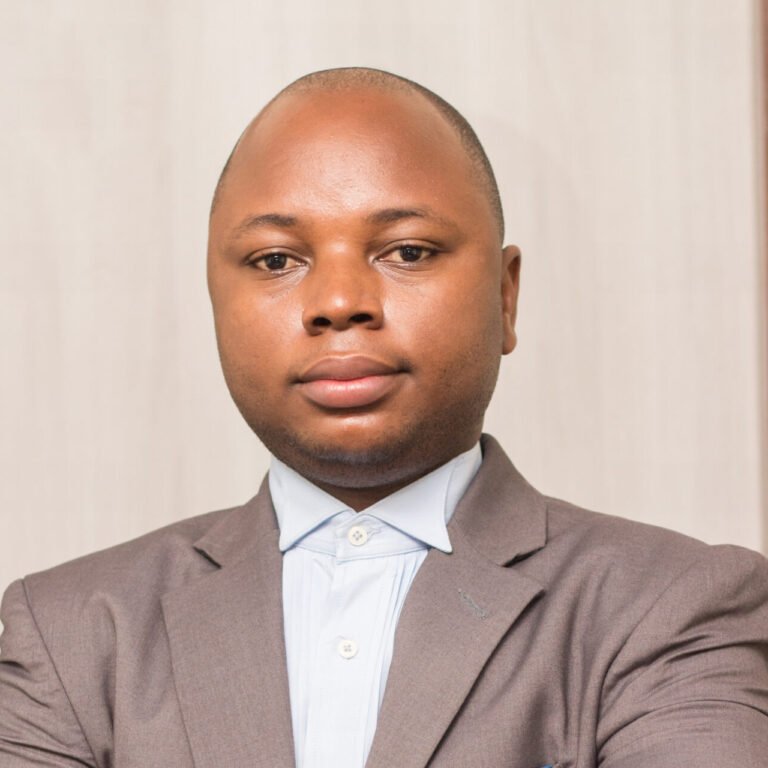
Mr. Ernest TINDO
Ernest TINDO is the Founder and President of the Continental Executive Bureau of the Pan-African Youth Organization for the Blue Economy (OPJEB). He serves as Commissioner General of the African Youth Forum on the Blue Economy (FOJAEB). A maritime lawyer, he is an expert in Modern Port Management, Trade Facilitation, and the Blue Economy. He is also an accredited arbitrator-mediator, international consultant, speaker, and trainer. He holds degrees in Economic Law (specializing in Maritime Law and Transport Law), Transport and Logistics Management, Marketing and Commercial Action, and Media Management. Ernest TINDO has obtained several certifications in Modern Port Management (UNCTAD), Trade Facilitation (WTO), Implementation of the AfCFTA (UNECA), Blue Economy and Youth (ILO), Economics and Management of the Environment and Natural Resources (Senghor University), Professionalization of Road Transport and Freight Liberalization (WAEMU), and Public Employment Policy (ILO). With 18 years of high-level experience in conducting advanced studies and management in both the maritime sector and the blue economy, he has developed strong expertise in port enterprise management, leading large-scale national and regional projects, conducting strategic studies related to the blue economy for African countries, technical and financial partners, and multilateral banks including the African Development Bank (AfDB), as well as designing and delivering training modules in the field of the blue economy. Ernest TINDO is the Chief Executive Officer (CEO) of Best For Africa Group, an Africa-wide company operating in maritime and port governance, trade facilitation, IT engineering, and artificial intelligence. A member of the World Ocean Council (WOC), he also serves as Secretary General of the Francophone Africa Maritime Cluster (CMAF), covering 21 French-speaking countries, and as an accredited arbitrator-mediator in maritime and port matters before several Arbitration, Mediation, and Conciliation centers across Africa.
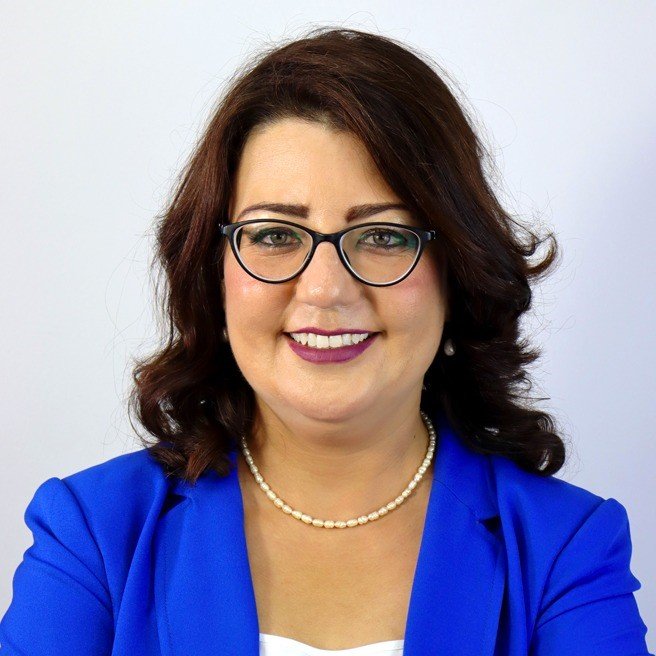
Dr. Asmaa BENSLIMANE
Dr. Asmaa has 26 years of solid experience in logistics and port operations, customer relations, human resources, international cooperation, public–private partnerships (PPPs), and corporate social responsibility (CSR). She has held various senior positions within Marsa Maroc terminals at the Port of Casablanca, the Ports4Impact Association, and the Office of the former Minister of Equipment, Transport and Logistics. Highly committed to associative life, particularly at the African continental level, she became the first Moroccan to serve on the international board of Junior Chamber International (JCI) in 2013 as International Vice President in charge of eight African countries (Burkina Faso, Mali, Senegal, Gambia, Guinea, Comoros, Madagascar, and Botswana). She was also appointed JCI–United Nations Activities Coordinator for the Africa and Middle East region and served as Director of the JCI Africa and Middle East Area Conference in 2012. She is the Founding President of the Women’s International Shipping and Trading Association (WISTA Morocco), WIMA Morocco, and the Moroccan Public Diplomacy Center. She currently serves as First Vice President and Continental Secretary General of WIMAFRICA. Asmaa holds a PhD in International Relations, a Master’s degree in Diplomatic Studies from Mohammed V University, an MBA in Project Management from Cardiff Metropolitan University, a Master’s degree in Political and Public Communication from Hassan II University, a Master’s degree in Purchasing and Global Logistics, and a Bachelor’s degree in Finance and Accounting from ISCAE. Her main research areas focus on public diplomacy, soft power, and the blue economy.
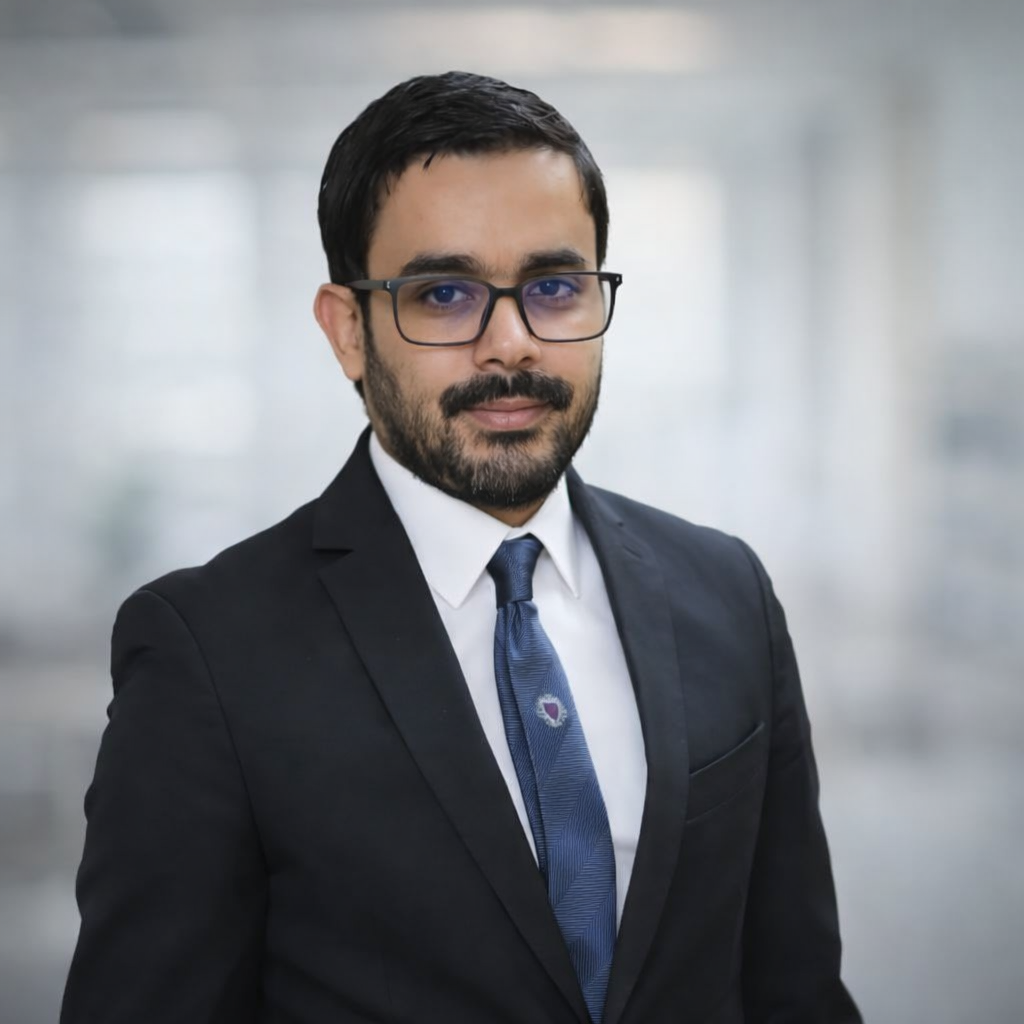
Dr. Youssef Brouziyne
Dr. Youssef Brouziyne serves as the Regional Representative for the International Water Management Institute (IWMI) in the Middle East and North Africa (MENA) region. With a rich blend of corporate and academic experience, he specializes in sustainable water management, climate resilience, and the optimization of agricultural value chains across North and West Africa, the Middle East and Southern Europe. Dr. Brouziyne is dedicated to leveraging science, innovation, and strategic partnerships to enhance the resilience, productivity, and sustainability of water and agri-food systems in the MENA region. His work focuses on addressing pressing challenges such as water scarcity, climate change, and food security through actionable solutions and collaborative efforts. He has worked on cases and projects in more than 30 countries across three continents and authored or co-authored over 60 articles, book chapters, development reports and policy briefs on water, agriculture, and climate-related issues, contributing to both global knowledge and regional transformation.
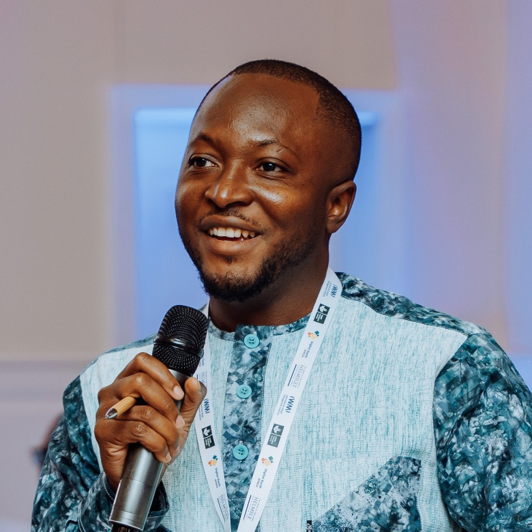
Dr. Moctar DEMBÉLÉ
Dr. Moctar Dembélé is a geospatial hydrology researcher at the International Water Management Institute (IWMI), with 10+ years of professional experience in addressing water- related development challenges across Africa and Europe. He has worked with public and private companies, NGOs, international development organizations and academic institutions. His expertise includes Earth Observation–driven hydrological modelling, water accounting and productivity, water risk assessment and climate change. He excels in developing digital solutions to support decision-making from local to regional scales, particularly in data-scarce environments. At IWMI, Moctar serves as Co-PI of the FAO’s WaPOR project and leads activities in the DIWASA and G4DR water security and groundwater projects. Previously, he was a postdoctoral researcher at the University of Oxford, UK, and a research fellow at the AfricaRice Center in Benin. He holds a PhD in Geosciences and Environment from the University of Lausanne, Swizerland and an MSc from the 2iE, Burkina Faso. He is the Chair of the Early Career Researcher (ECR) Committee and Secretary of the Africa Regional Committee (ARC) of the International Association of Hydrological Sciences (IAHS), and represent IAHS on the ECR committee of the International Union of Geodesy and Geophysics (IUGG). Moctar is a Mandela Washington Fellow and member of YALI, UNLEASH, CGIU and One Young World networks.
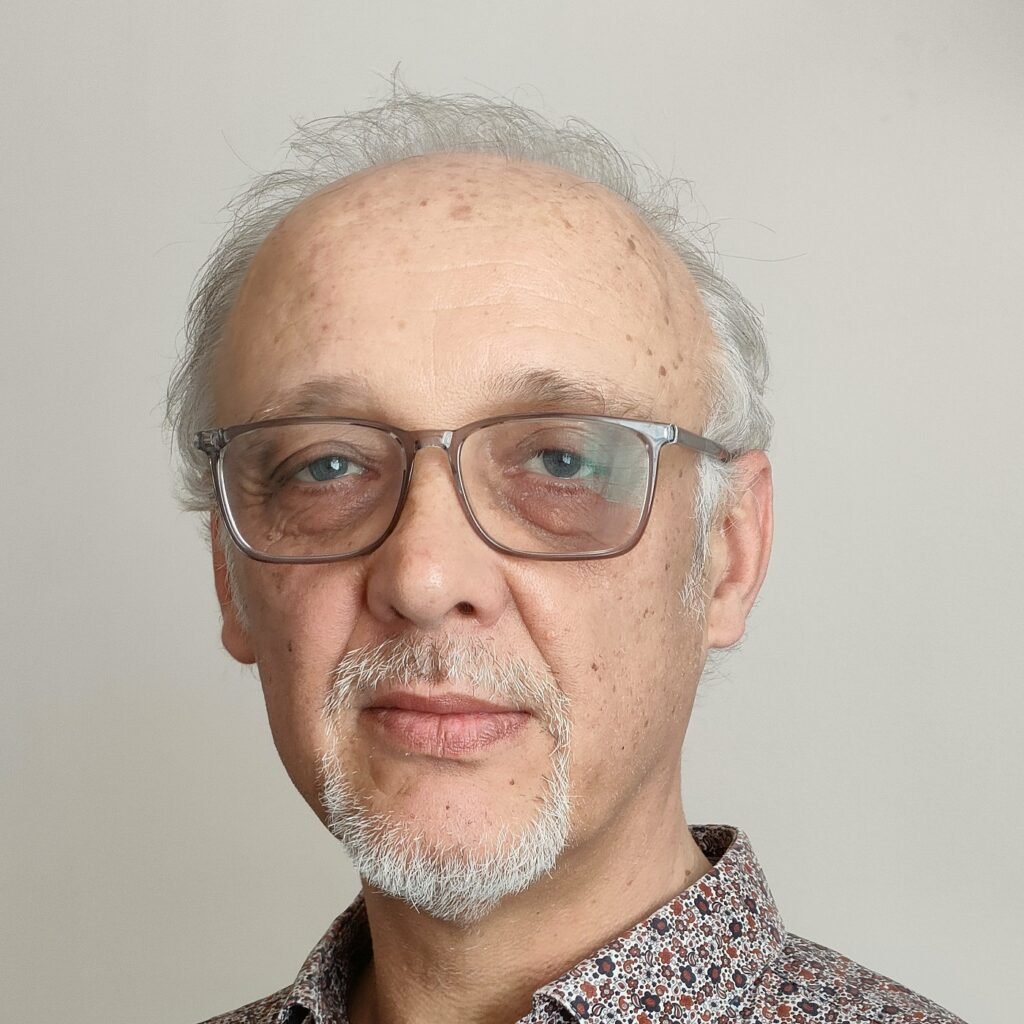
Eng. Christophe BRACHET
Christophe BRACHET, graduated in 1988 from Ecole Centrale de Paris, has around 35 years of postgraduate experience in Integrated Water Resource Management (IWRM), large dams, hydrology, water governance, capacity building: support to the activities of transboundary basin organizations in Africa, adaptation to climate change through water management, strengthening transboundary hydrological monitoring, floods and droughts risk management. Mr Brachet is currently Africa Program Director of International Office for Water (OiEau), based in Dakar for joint project with OMVS (Senegal River basin organisation). He joined OiEau in 2010 after having been detached by the French Ministry of Foreign Affairs from 2003 to 2010 as advisor to the Niger Basin Authority (NBA)in Niamey, then to the Congo River basin organization (CICOS) in Kinshasa. He was previously Head of the water and environment department at ISL engineering company, specialised in large dams and IWRM.