Science Society Talks
Engaging sessions bridging science and society on African river systems and water challenges.
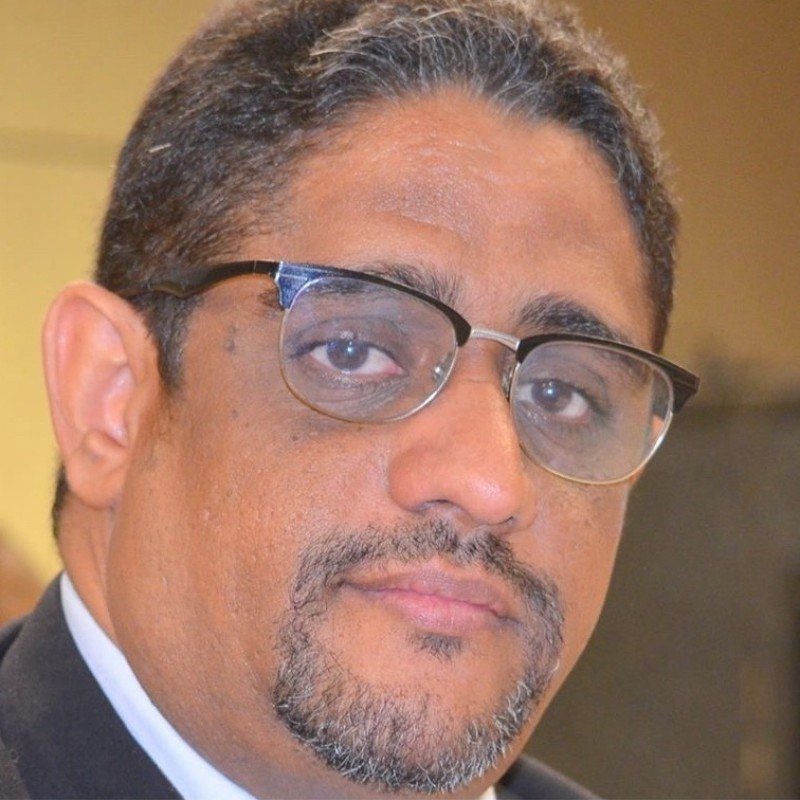
Eng. Fawzi BEDREDINE
IAGF Expert – Director of Regional Infrastructure
OMVS – Organization for the Development of the Senegal River
Dakar, Senegal
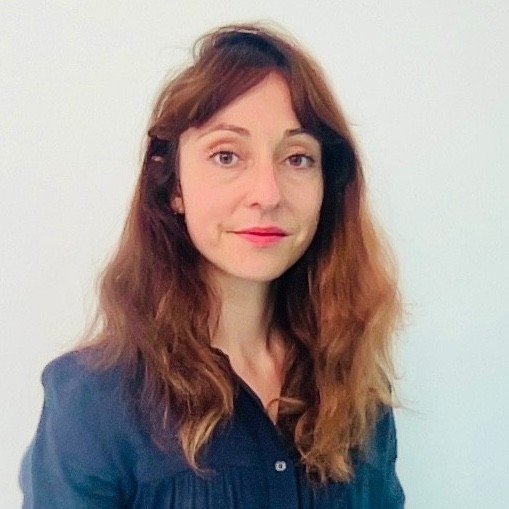
Ms. Jessica BERGSTEIN-COLLAY
Project Manager
Initiatives for the Future of Great Rivers (IAGF)
Lyon, France
Prof. Fatima-Zahra TABYAOUI
Associate Professor in Hydrogeophysics & Hydrogeology
Mohammed V University, Rabat – Morocco
The science–society dialogue: an asset for shaping the future of Africa's rivers
River health conditions human societies. Yet river ecosystems worldwide are under increasing pressure from climate change and human activities. Since its creation in 2015 by Erik Orsenna and the Compagnie Nationale du Rhône, IAGF (Initiatives pour l'Avenir des Grands Fleuves) has been working to alert, mobilize and support stakeholders towards sustainable management of major rivers. As a collective of international and transdisciplinary experts, the NGO represents a unique transdisciplinary and intersectoral space guided by a systemic and nuanced vision of the issues and uses at stake.
Its action is structured around three complementary levers: amplifying dialogue and expertise, strengthening awareness and advocacy, and promoting innovative solutions.
IAGF's participation in the closing conference of ICAR fully reflects this dynamic: demonstrating that river management can only succeed if science informs public decision-making, and if society is engaged to co-construct informed choices. African rivers illustrate the need to articulate scientific knowledge, local expertise and development imperatives. IAGF will carry a clear message: science–society dialogue is today an essential lever to strengthen basin resilience, anticipate water crises, protect biodiversity, support agricultural and energy transitions, and ensure equitable water sharing.
Through its international work — including the RIVERPULSE rapid and holistic participatory diagnostic, the Living with Rivers Label, field missions and international advocacy — IAGF advocates for integrated river management with open governance, founded on transparency, inclusion and engagement of all stakeholders.
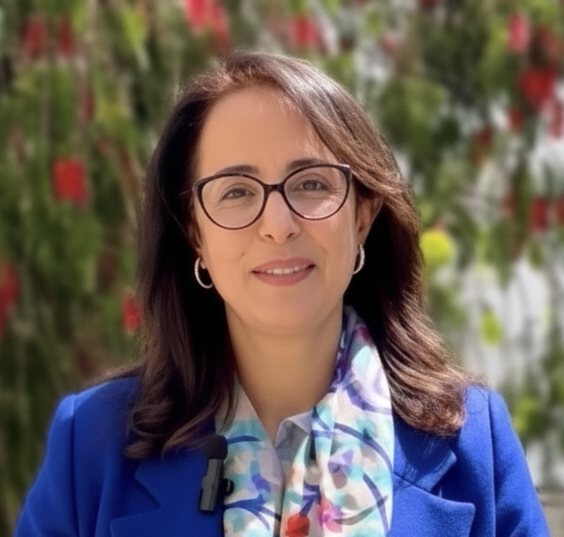
Prof. Souad EL HAJJAJI
Vice Dean of Research and Cooperation
Faculty of Sciences
Mohammed V University, Rabat
Water Reuse: A Strategic Lever for Africa's Water Future
As Africa faces increasing water scarcity driven by climate change, population growth, and rapid urbanization, we must rethink the way we value and manage water. Treated wastewater is no longer a waste to be disposed of—it is a strategic resource for the future. Water reuse offers a unique opportunity to reduce pressure on conventional water sources, protect aquatic ecosystems, strengthen food security, and build resilience to drought. For regions such as the Sahel, where water availability is becoming increasingly uncertain, every drop recovered contributes to safeguarding the well- being of future generations. Integrating water reuse into national policies is not merely a technical solution; it is a commitment to innovation, sustainability, and social responsibility. By embracing circular approaches to water management today, Africa can turn one of its greatest challenges into an opportunity for inclusive and resilient development.

Relationships in the flood forecasting and warning chain
For the past 20 years, Predict Services has developed a specialist service focused on forecasting hydrometeorological events for risk managers and decision-makers responsible for operational responses within local authorities, businesses and institutions.
This activity has grown significantly in recent years against the backdrop of established global climate change, to which both populations and organizations must adapt without further delay. This observation has also led to strong initiatives driven by the UN since 2021, with the implementation of the principle of providing every person on the planet with an early warning system to ensure their safety in advance.
The design and subsequent implementation of such systems provide real added value: on one hand for the public, who are provided with relevant information to ensure their safety and avoid dangerous situations; on the other, it benefits organizations, which are able to anticipate these situations, scale the resources to be deployed, and provide the right information at the right time to populations at risk.
The primary objective of the early warning system is to be operational — providing information and actions in line with available resources, existing practices and channels within the teams responsible for managing these situations. These actions are accompanied by training sessions designed to enhance skills, foster an understanding of major risks, and ensure the adoption of appropriate behaviours.
Various case studies will illustrate the link between scientific and technical contributions and the added value for society. Examples from Côte d'Ivoire, Senegal, Tunisia and Morocco will demonstrate how institutions have adapted to anticipate floods in the Gharb region or the province of Ksar el Kebir, and to disseminate early warning messages to the public in the neighbourhoods of Abidjan or at the pilot sites of the Tunisian project.

Ms. Linda LILIENFELD
Founder and Director
Let's Talk About Water (LTAW)
New York, USA
Film as a Catalyst for Water Cycle Understanding and Socio-Ecological Engagement through Let's Talk About Water
A structural gap undermines water management globally: scientists are institutionally discouraged from public communication, fearing misinterpretation of their data, while water managers and communities lack access to scientific information in usable, actionable form. Collecting more data is not enough. That data must be explained clearly, accessibly, and in ways applicable to real-time decision-making. Let's Talk About Water (LTAW) was founded 25 years ago precisely to bridge water science and water policy through film. Films serve as a jumping-off point to facilitate communication and start the important conversations that lead to socio-ecological engagement, reaching a wider public and especially young people. As attention spans have been shrinking, LTAW now hosts short film competitions about water and science, found at letstalkaboutwater.org and @lets.talk.about.water. Our upcoming competition will focus on Africa, African Rivers, and green and blue water, and will be officially launched at the ICAR African Rivers Conference in Rabat 2026. To illustrate this approach, we will show two short, prize-winning films from previous LTAW competitions. The first, "The Infinite Browns of the Paraná River" (Argentina, 3 min), is a poetic and artistic portrait of one of South America's great river systems. The second film, "Land of Wells" (Tunisia, 5 min), meditates visually on the restoration of a well by inhabitants and nomads who depend on it and hundreds of other wells to survive in arid regions. We invite you, your students, and colleagues to create short films and enter the competition, starting today. We look forward to the conference aiding and guiding us in understanding water in Africa and in creating a new library of short water films for future use. Let's Talk About Water!
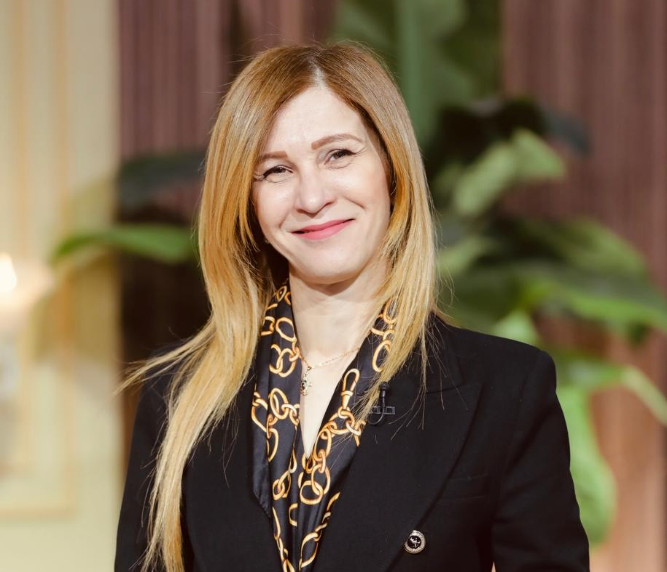
Prof. Oula AMROUNI
OMELI Observatory
UNESCO Ecohydrology Programme Demosite since 2022
Tunisia
The Close Relationships Between Science and Socio-Economic Community in the Management of the OMELI Observatory, UNESCO Ecohydrology Programme Demosite
The talk highlights how strong collaboration between scientists, socio-economic actors, local communities, civil society, and decision-makers contributes to environmental monitoring, ecosystem conservation, and sustainable coastal and water resources management in sandy and deltaic semi-arid regions.
Through participatory approaches, awareness activities, and knowledge co-construction, the OMELI Observatory demonstrates the importance of linking scientific research with societal and economic needs to enhance resilience and support sustainable development in vulnerable coastal ecosystems.
This presentation takes place in a special international context, as the UNESCO International Hydrological Programme (IHP) celebrates in 2026 the 30th anniversary of the Ecohydrology Initiative and the 20th anniversary of UNESCO Ecohydrology Demosites worldwide, recognizing the essential role of science–society partnerships in addressing water, climate, and ecosystem challenges.
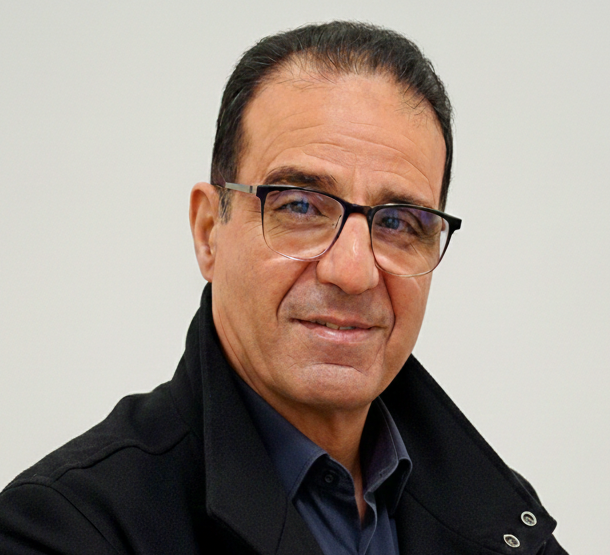
Prof. Ilias KACIMI
University Professor, Senior Researcher
Faculty of Sciences
Mohammed V University, Rabat
The use of arts to raise interest for water issues in schools
The use of arts is an effective and innovative way to raise students' awareness about water and environmental issues. By integrating artistic activities into learning, teachers allow students to express their ideas, emotions, and understanding of water-related challenges in a creative and participatory manner. Arts therefore encourage greater student engagement, stimulate imagination, and strengthen ecological and environmental awareness.
As part of the ICAR 2026 project, a school located in Khemisset — about 80 km from Rabat — was invited to work on a school project around the theme "Water, Source of Life." The students created paintings and posters illustrating environmental messages such as water conservation, the fight against pollution, and the importance of dams and water resources for communities.
This initiative transforms art into a powerful tool for communication and environmental education, making it possible to convey important messages in a simple and visual way.
Dr. Eng. Mohamed Abdellah EZZAOUINI
Director of the Hydraulic Basin Agency of Loukkos (ABHL)
More detailsManagement of the Oued El Makhazine Dam during the Exceptional Hydrological Event of January-February 2026
The management of the Oued El Makhazine Dam during flood events is of strategic importance at the regional, national, and international levels. It plays a vital role in protecting communities and infrastructure from flooding, sustaining agricultural activities in the Loukkos plain, and securing the water supply for the Greater Tangier area through water transfers to the Dar Khrofa Dam. At the national level, the dam enables the efficient utilization of surplus water resources from the Loukkos Basin through inter-basin transfer schemes, including the conveyance of water to the water-scarce southern regions of the Kingdom. This contributes significantly to strengthening Morocco’s water security and enhancing its resilience to climate variability and climate change. In addition, the dam supports the generation of hydroelectric power, thereby contributing to the country's renewable energy development and energy transition objectives. At the international level, the Oued El Makhazine Dam stands as a successful example of integrated and sustainable water resources management, aligned with the United Nations Sustainable Development Goals (SDGs), particularly those related to clean water and sanitation (SDG 6), affordable and clean energy (SDG 7), and climate action (SDG 13)