Workshop Moderators
Six thematic workshops bringing together experts, practitioners and policymakers to address key challenges in African water resources.
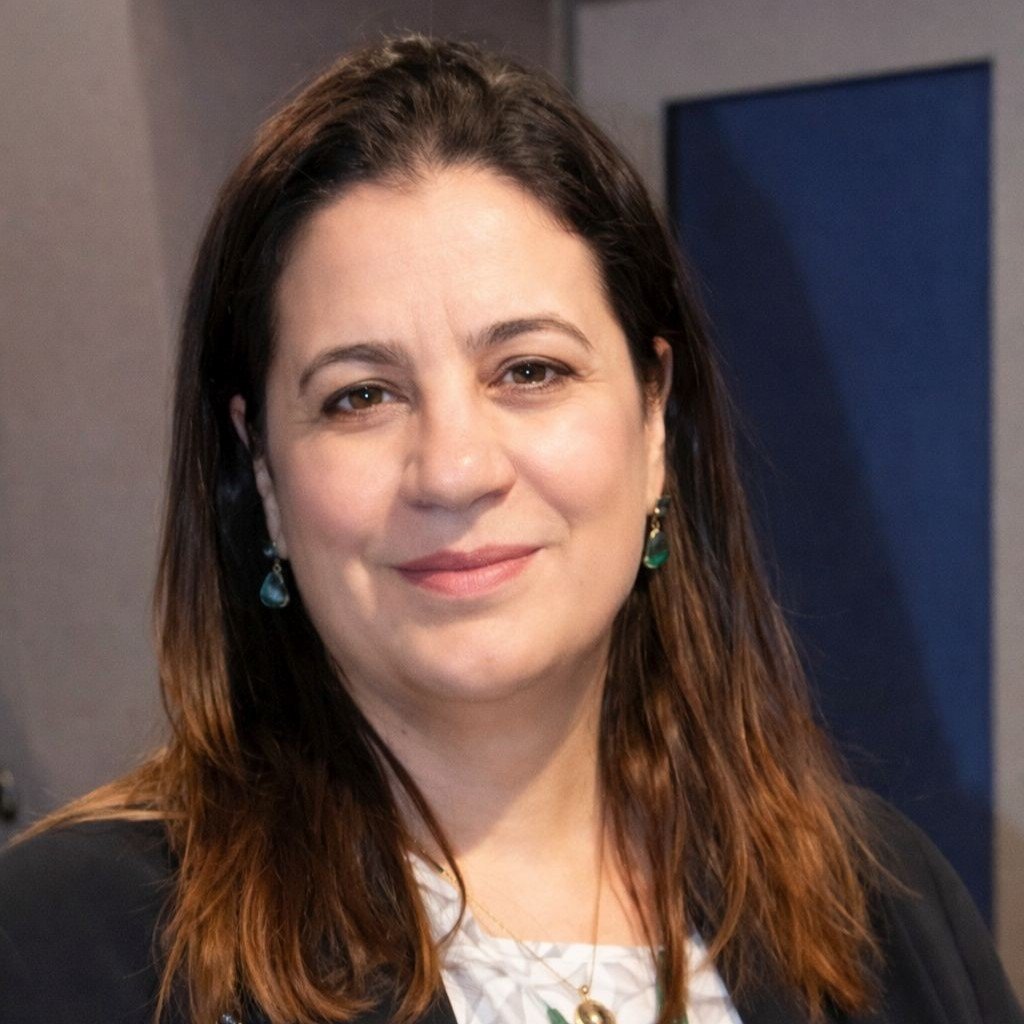
Dr. Hanane BENQLILOU
Water, Energy, and Environment’s Expert
MiftahEssad Foundation
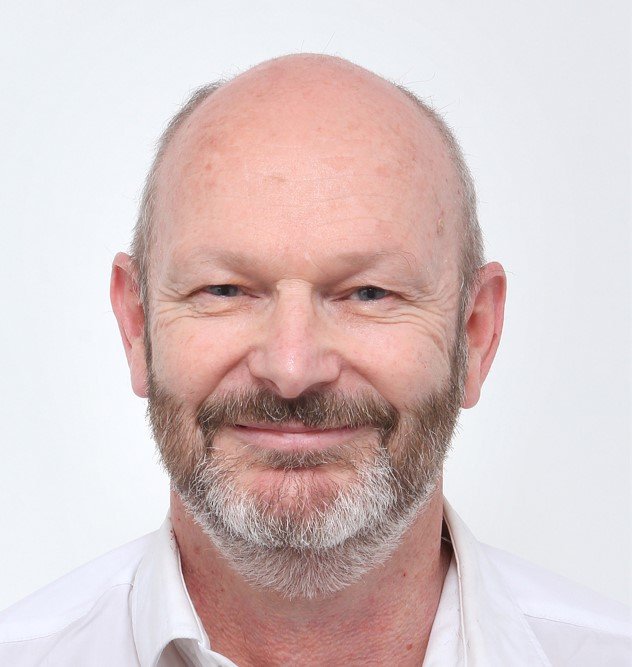
Dr. Dominique BEROD
Chief of the hydrological monitoring and data management Section at (WMO)
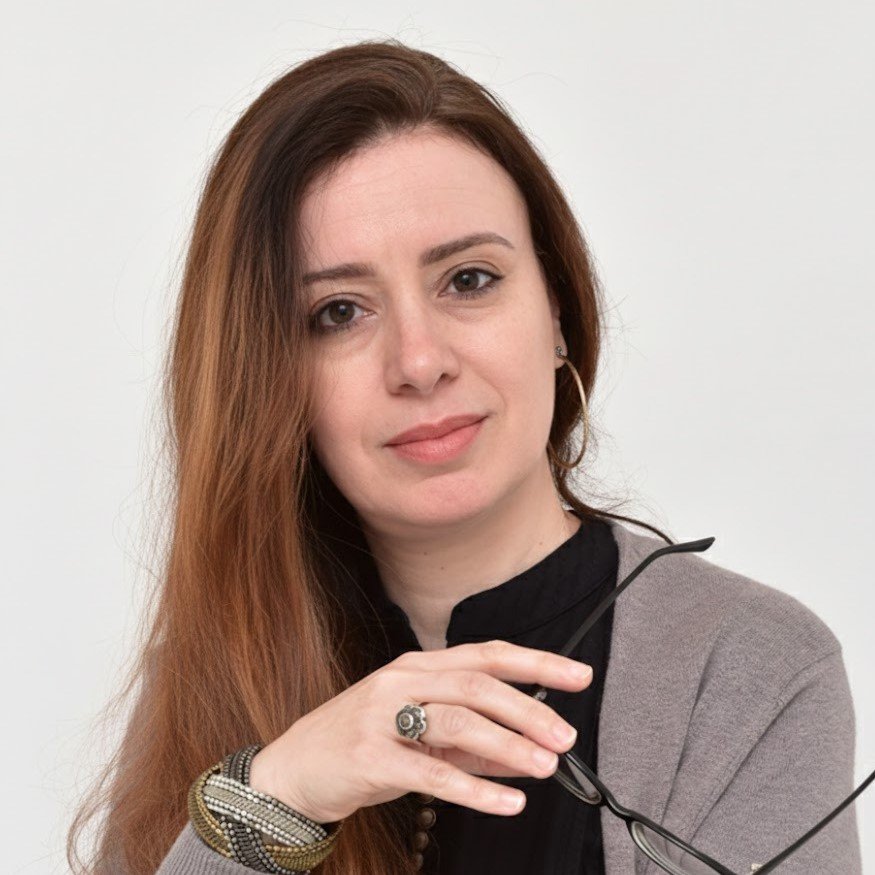
Dr. Fairouz MEGDICHE KHARRAT
Assistant professor of architecture and urbanism
University of Sousse,
Tunisia
OPJEB Benin · WIMAFRICA Morocco
Dr. Youssef BROUZIYNE
Regional Representative, MENA region
International Water Management Institute (IWMI)
Egypt
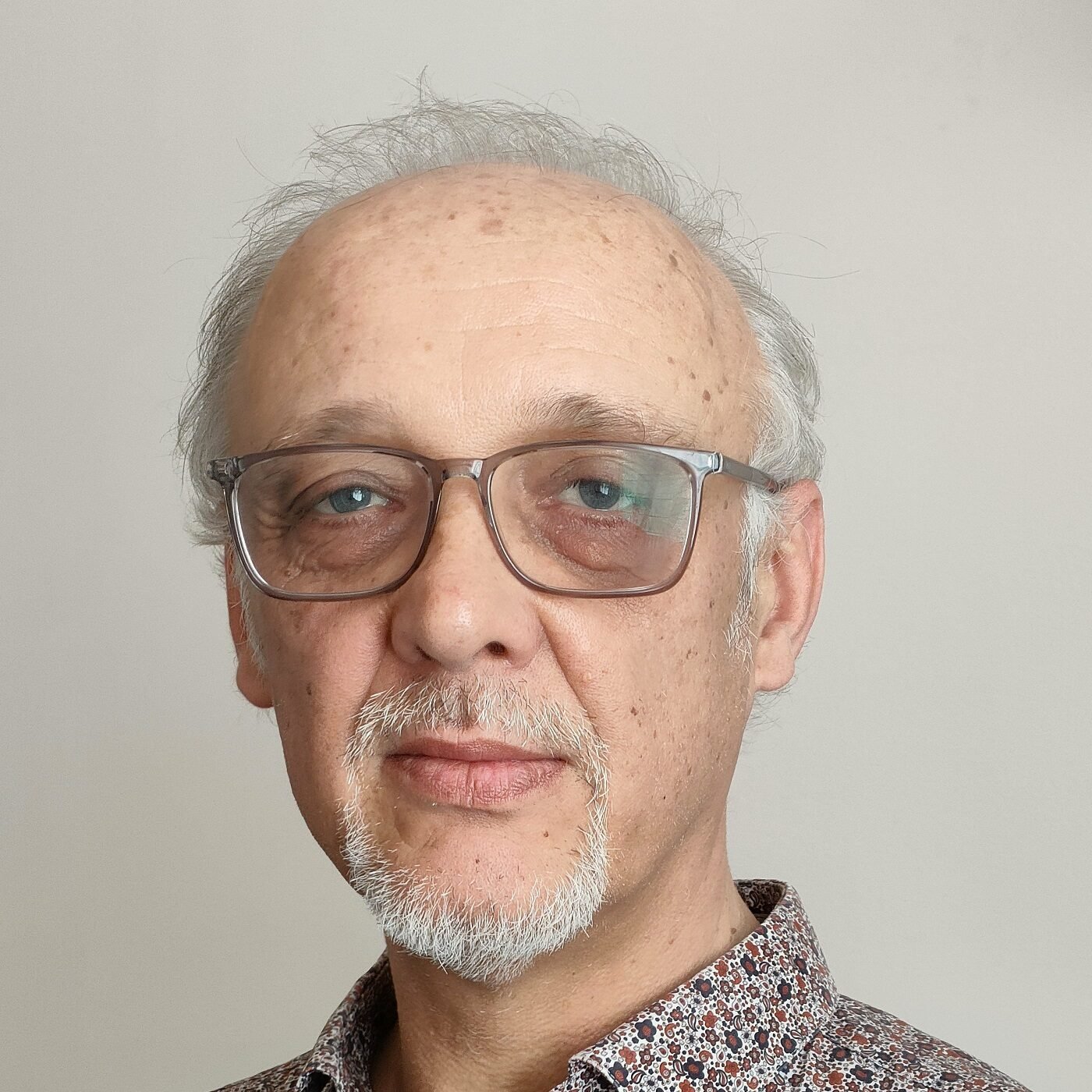
Eng. Christophe Brachet
nternational Office for Water (OiEau) Africa Program Director
Dr. Hanane BENQLILOU
MiftahEssad Foundation
Dr. Dominique BEROD
Chief of Section, WMO
Dr. Fairouz MEGDICHE KHARRAT
University of Sousse, Tunisia
OPJEB Benin · WIMAFRICA Morocco
Dr. Youssef BROUZIYNE
Regional Representative MENA, IWMI
Eng. Christophe Brachet
Africa Program Director, OiEau
Dr. Hanane BENQLILOU
Water, Energy, and Environment’s Expert
Institute of Water and Sanitation IEA-ONEE,
MiftahEssad Foundation for Morocco’s Intangible Capital
Traditional water governance knowledge digitalization and valuation to face water scarcity in Africa:
Culture, Heritage and Perspectives
In Morocco, through century’s ancient civilizations have developed traditional
knowledge and best practices by an approach linking between water, energy,
agriculture and ecosystems that are sustainable and adapted to arid regions for
water governance. This innovative community water governance focused on water
resources preservation constitutes a sustainable solutions-based nature model to
face climate change in Africa.
For the resilience to the aridity context, the traditional water systems "Khettara" was
developed by local indigenous knowledge who allows to transport water by gravity
from the underground water resources to responds to the local population different
needs (irrigation, drinking water, ...) by digging natural wells, galleries and basins,
with local material resources and without recourse to any energy and by considering
the climatic context, water resources scarcity and ecosystem resilience.
As another ancient based nature-solutions, the ancient traditional Fes water and
sewage systems, are a model of water recycling through different Fes’s spiritual,
economic and domestic activities without any environmental impact. The Fes
ancestral water system allows the management of the water cycle through the
domestic, artisanal and recreational water uses until the sewage water system.
In the same vision of water scarcity resilience, the ancestral based - nature solutions
of rainwater harvesting were developed by the ancient ingenuity for rain water
storage in different regions of the kingdom trough centuries.
The good practices collected from Moroccan traditional knowledge on ancestral
water system “Khettara”, traditional water sewage and ancestral rainwater
harvesting techniques constitute basic elements and references for the development
of alternative solutions for water governance in Africa, that are impacted by the
effects of climate change and water scarcity.
In the context of Africa aridity, faced with the water and ecosystems preservation
challenge, it is necessary to capitalize and digitalize the Moroccan and all African
water heritage by using new data collection technology to share and value best
practices between African countries and regions.
Guidelines for data digitalisation to safeguard and valuated culture and heritage of
traditional water knowledge for preserving water and ecosystems in Africa is the
main milestone to allow the right to water to all African citizens.
These ancestral water systems nature-based solutions, which influence in the past
water and wastewater technologies development in Morocco and in many African
countries can serve as a basis for the development of drinking water and sanitation
for small low-income communities due to the absence of excessive costs related to
basic investments and operating costs and without energy, to contribute to the ODD6
achievement in Africa.
The South -South Partnership between African countries on ancestral and traditional
water systems knowledge capitalization, adaptation, valuation and sharing between
African countries through capacity building program, education and awareness-
raising and research and development constitutes an important perspective in the
areas of capitalisation and valuation of African Water heritage and culture to face the
scarcity and variability in time and space of water resources in Africa marked by
climate change impact.
Keywords: Traditional water system, Khettara, ancient sewage systems, solutions-
based nature, climate change, semi-arid regions, water stress, rainwater harvesting,
ecosystems , Culture , Heritage , South - South Partnership
Dr. Dominique BEROD
Chief of the hydrological monitoring and data management Section at the World Meteorological Organization (WMO)
More detailsFrom Data to Action:
Building the Value Chain to Address Climate and Hydrological Challenges.
This workshop focuses on identifying monitoring requirements and exploring ways to ensure a sustainable data-to-decision value chain, spanning hydrological modeling and forecasting.
More details are coming soon
Dr. Fairouz MEGDICHE KHARRAT
Assistant professor of architecture and urbanism at the University of Sousse
Reseracher at GADEV/ UMRAN, Member of the CCWK group, Tunisia.
Co-Creating Water Knowledge CCWK
The discussion workshop aims to define Co-Creation and introduce it in the context of water
knowledge (Obj. 1), to present briefly the vision and mission through short-term, long-term and
ultimate objectives of the CCWK group and its set/adopted method and process (Obj. 2) (Castelli et
al., 2025).
Besides, the workshop aims to open the dialogue by to connecting various actors of water
knowledge, in the African context and beyond (Obj. 3), sharing some case studies (Obj. 4), and
inspiring scientific, institutional and social actors to consider in their approach the four cornerstones
of co-creation identified by the CCWK group (Inclusivity, Openness, Legitimacy & Actionability); thus,
initiating and sustaining relationships; Collaborative leadership; Key tools and techniques; and
Knowledge inclusion (Obj. 5).
The discussion workshop will be moderated by three members of the working group for the co-
creation of water knowledge (CCWK) within the HELPING decade of the IAHS, the chair inaugurates
the workshop and manages the different phases of the program. All members participate actively in
the planned activities (animate the debate, collect and display information, etc.). Participants are
invited to interact and engage with moderators and with each other and motivated by moderators
to significantly contribute to the discussion’s outcomes (sharing experiences, opinions, playing roles,
etc.). This will be implemented by an actor constellation exercise on “How can scientific and societal
actors contribute to co-creation in water knowledge? An acted case study”.
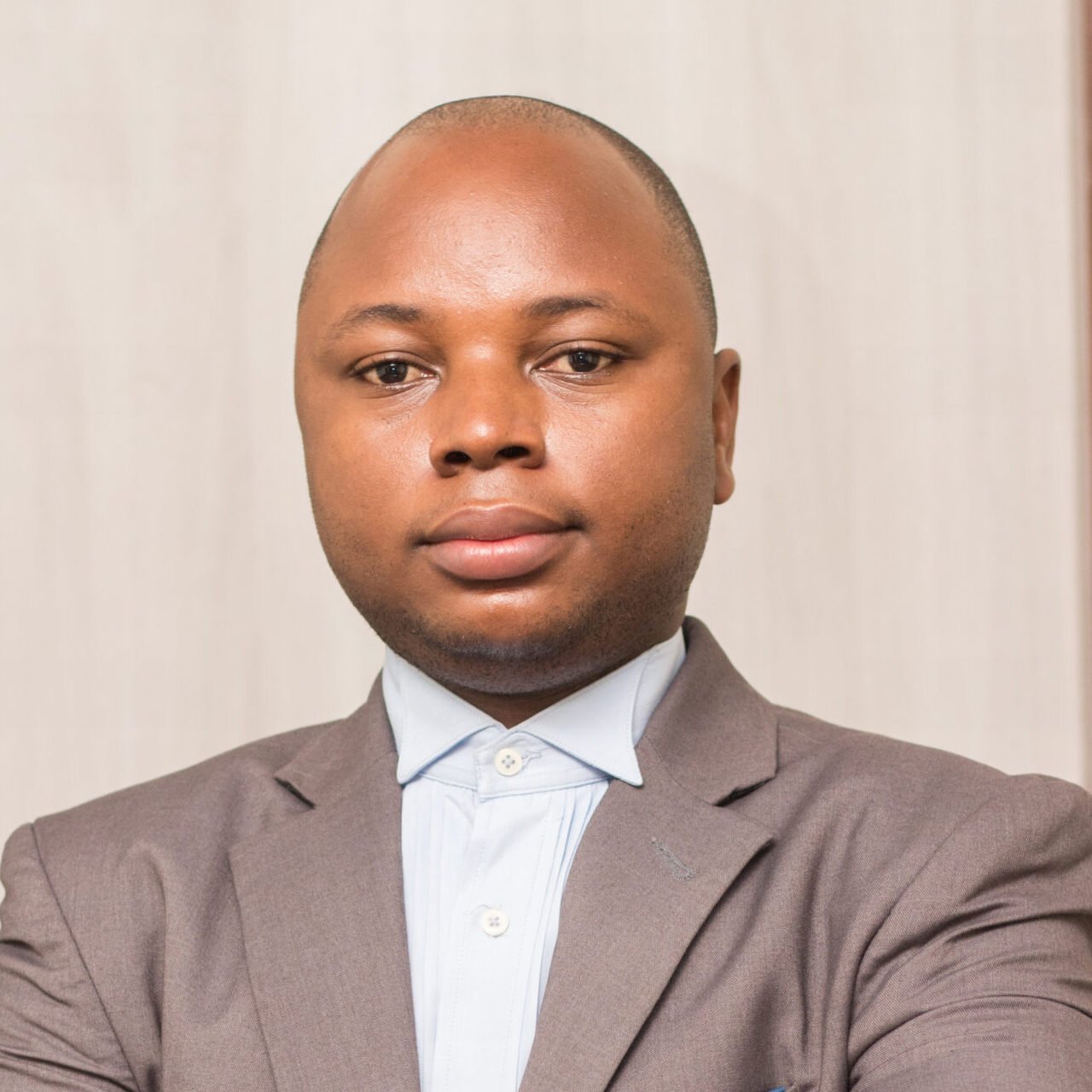
Mr. Ernest TINDO
President of the Continental Executive Board of the Pan-African Youth Organization for the Blue Economy (OPJEB),
Benin
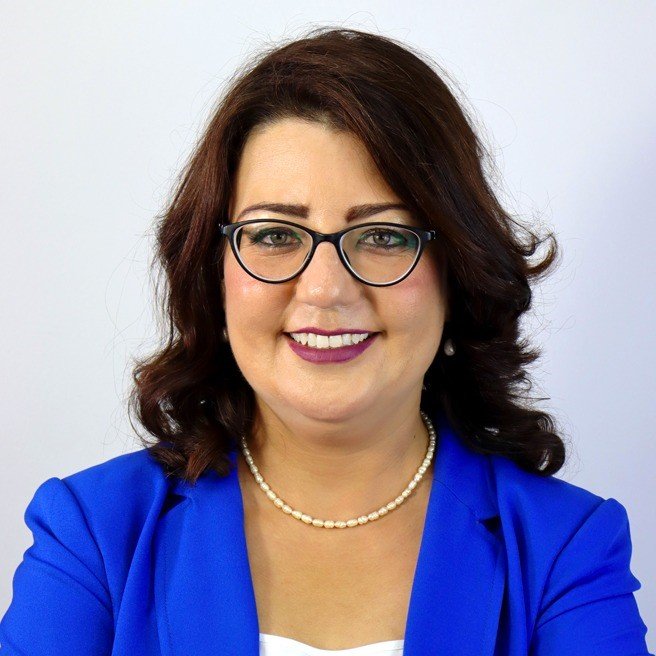
Dr. Asmaa BENSLIMANE
F1st Vice-President and Continental Secretary General of WIMAFRICA
Morocco
Challenges, Issues and Opportunities of the Blue Economy for Africa and its Youth: Focus on Inland Waters
According to the United Nations Economic Commission for Africa (ECA), “the blue economy describes the sustainable use and conservation of aquatic resources in both marine and freshwater environments. This includes oceans and seas, coasts and shorelines, lakes, rivers, and groundwater. It refers to activities that exploit aquatic resources (fisheries, mining, oil, biotechnology, etc.) or use aquatic environments (maritime transport, coastal tourism, etc.), provided that they are carried out in an integrated, equitable, and circular manner. These activities contribute to improving the health of aquatic ecosystems by establishing protection and restoration measures.” Africa possesses a vast “blue territory” with enormous underexploited and undervalued potential, as well as aquatic resources that are sometimes plundered through illegal, unreported and unregulated fishing (IUU fishing). The continent has 42,000 km of coastline, 13 million km² of maritime areas under African jurisdiction, 6.5 million km² of continental shelf, and 38 of the 55 Member States of the African Union have access to oceans or seas, with more than one hundred port facilities. Africa also has 240,000 km² of lakes. Fisheries ensure food and nutritional security for more than 200 million Africans and provide employment to over 10 million people. As part of the 5th International Conference on African Rivers, the workshop entitled “Challenges, Issues and Opportunities of the Blue Economy for Africa and its Youth” will provide an overview of Africa’s blue territory, with a specific focus on inland waters. The aim is to highlight the importance of the blue economy in this territory, particularly in relation to African youth. Workshop Objectives Understand the concept and definition of the blue economy Describe Africa’s blue territory, with a focus on inland waters Present the key issues related to the development of the blue economy in Africa Present the challenges Africa must address; particularly regarding inland waters; to achieve a sustainable blue economy Present the opportunities offered by the blue economy Describe scenarios for the inclusion of youth, women, and coastal communities in blue economy opportunities Explain how the blue economy can serve as a public policy response for African youth
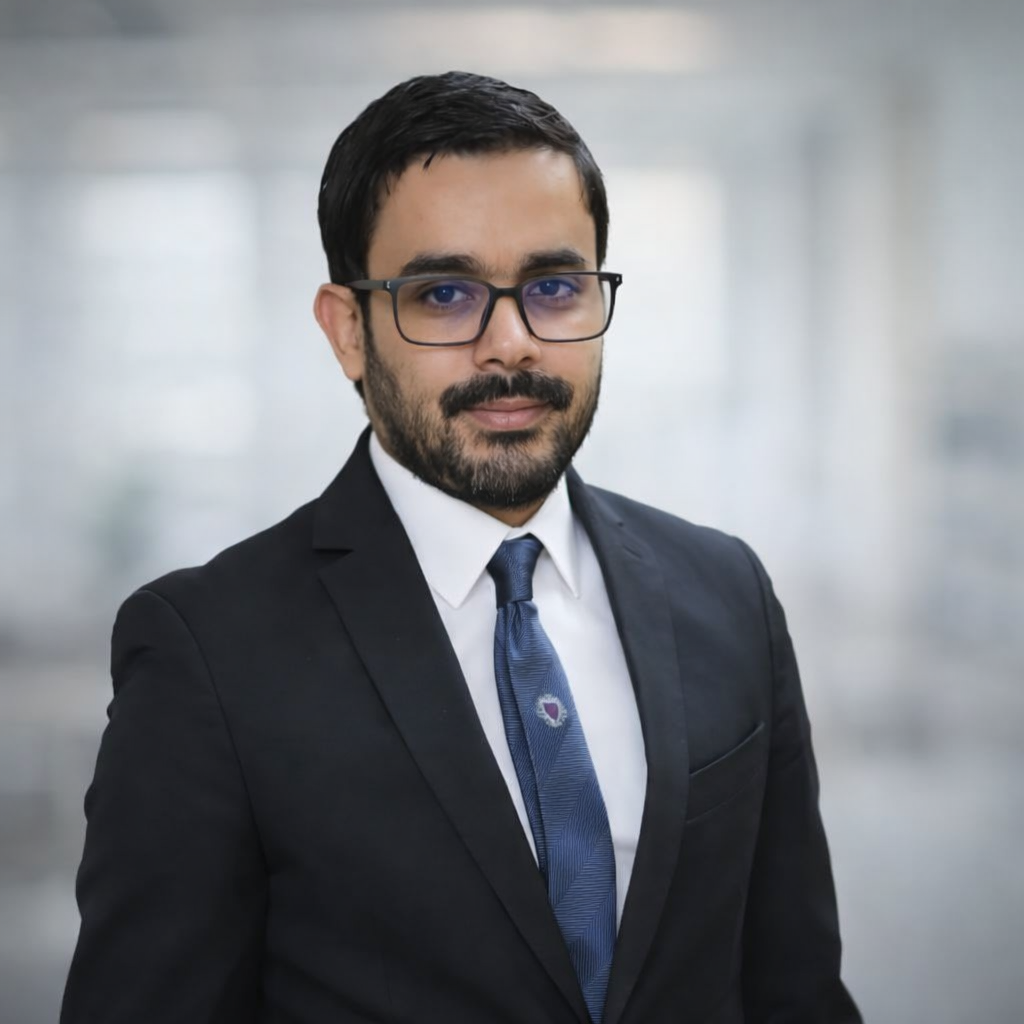
Dr. Youssef BROUZIYNE
Regional Representative, MENA region
International Water Management Institute (IWMI)
Egypt
From Satellites to Decisions: Strengthening Territorial Resilience Across Africa’s Large Watersheds
This workshop will explore how cutting-edge satellite Earth observation products—combined with advanced hydrological and land-systems modeling, including artificial intelligence and machine learning—can be operationally applied to strengthen territorial resilience and guide sustainable investments in large, complex African watersheds. Led by the International Water Management Institute (IWMI), the discussion will focus on realistic, decision-ready applications that help: (i) detect and monitor fragility “hotspots” where climate, water stress, land degradation, and socio-economic vulnerability intersect; (ii) improve the targeting and sequencing of adaptation and resilience measures; and (iii) inform investment choices that deliver measurable benefits across the Water–Land–Climate nexus. Rather than showcasing technology for its own sake, the workshop will emphasize concrete use cases already within reach of basin agencies, ministries, utilities, and development partners—such as near-real-time drought and flood risk analytics, groundwater stress and recharge inference, land degradation and erosion risk mapping, and performance monitoring of nature-based solutions and infrastructure investments in the context of African watersheds. Particular attention will be given to translating data streams into actionable indicators, investment “priority maps,” and planning scenarios that support inclusive, equitable decision-making at multiple scales (from sub-basin to watershed).
Transboundary water management in Africa: issues and challenges
Africa has around 60 Transboundary River and lake basins, which cover 90% of the continent's surface water resources. In addition, Africa has around 100 transboundary aquifers, which are essential groundwater reserves, often serving as buffers against drought in arid and semi-arid regions. Transboundary basin organisations (TBOs) have been established for many African rivers and lakes. Many of these organisations face capacity constraints, limited mandates and uneven political support. In addition, the effects of climate change – floods, droughts and changes in hydro-pluviometry regimes – are putting governance systems under severe strain. The African Network of Basin Organisations (ANBO) was created in July 2002 as a network of River, lake and aquifer basin organisations, set up with the assistance of the International Network of Basin Organisations (INBO). The ANBO, which now has 20 members, was created to respond to the need for coordination and strengthened cooperation between African basin organisations. It held its last General Assembly in January 2026, during which its governing bodies were renewed and its strategy adopted. The ANBO and INBO are jointly implementing the "Peer-to-Peer (P2P) project to support basin organisations and peer-to-peer exchanges, funded by the European Union for the period 2024-2028. This is a global partnership programme between basin organisations for capacity building and Integrated Water Resources Management (IWRM), for which African basins are at the forefront. Over the last three years, the International Office for Water (OiEau) and INBO have also led the DYNOBA project to ‘Boost support for African transboundary basin organisations’, funded by the AFD, which concerns Niger Basin Authority (NBA), Volta Basin Authority (VBA), Lake Chad Basin Commission (LCBC), Nile Basin Initiative (NBI), Organisation for the Development of the Gambia River (OMVG), and Organisation for the Development of the Senegal River (OMVS). Structuring questions for discussions in this Workshop could be: 1. What are the main problems that Transboundary Basin Organizations have to face in Africa? 2. What are the main challenges in Transboundary basins in Africa for hydrological monitoring? 3. What are your propositions and solutions for effective monitoring, applications, tools and models really implemented and used in those basins?